Cleaning Our Waters: Understanding the Total Maximum Daily Load (TMDL)
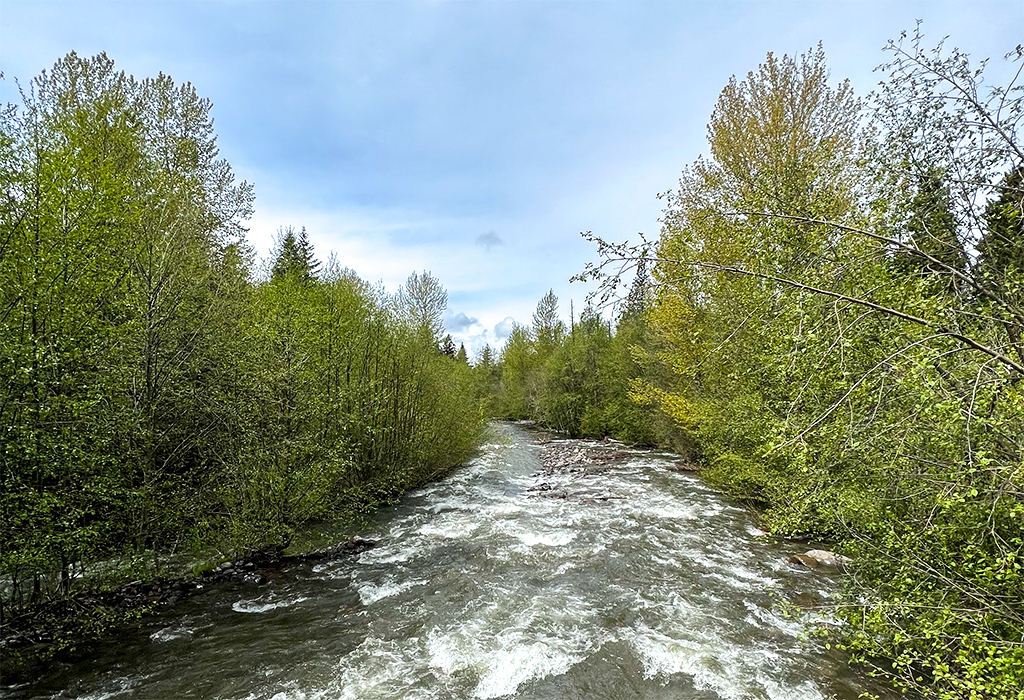
Clean water is essential for our communities and the environment. A key tool in achieving this goal is the Total Maximum Daily Load (TMDL). Often referred to as a “clean water plan,” a TMDL is a science-based approach to restoring polluted waterways so that they meet established water quality standards. Essentially, it represents a numerical value indicating the maximum amount of a specific pollutant that a surface water body can receive without exceeding these critical standards.
The federal Clean Water Act requires states, or the U.S. Environmental Protection Agency (EPA), to develop a TMDL for every water body listed on the state’s polluted waters list, officially known as the 303(d) list (Integrated Report). This process is one of several strategies used to combat water pollution.
Locally, the City of Hood River has been actively engaged in these efforts. In January 2005, the City adopted a TMDL Implementation Plan for the Western Hood Subbasin and works closely with the Department of Environmental Quality (DEQ) and the EPA to improve water quality in the Columbia River and its tributaries. The Columbia River is particularly significant, as the EPA recognizes it as one of the nation’s seven “great water bodies” requiring heightened protection from environmental harm.
Oregon’s Integrated Report identifies the Columbia River as impaired due to high water temperatures, a critical issue during the summer and early fall months (June through October). During this period, water temperatures frequently exceed levels necessary to protect aquatic life, such as salmon, which are adapted to colder water.
In 2020, the EPA developed a specific TMDL, or pollution budget, for the Columbia River to address these elevated temperatures. This budget identifies sources contributing to the heat and determines the maximum allowable amount of heat the river can receive while still meeting state and tribal water quality standards. The TMDL allocates this permissible excess heat among three primary sources: mainstem dams, major tributaries, and permitted National Pollutant Discharge Elimination System (NPDES) discharges.
Each year, the City of Hood River reviews its efforts with the DEQ to ensure compliance with the temperature TMDL limits. These efforts aim to cool the river and improve conditions for aquatic life through various strategies, including modifications to dam operations, increasing shade along major tributaries, and enforcing NPDES permits for dischargers. Locally, the City prioritizes protecting its tributary creek and river corridors primarily through strict tree preservation policies and limiting grading in sensitive areas, all contributing to a healthier Columbia River.
Please consider signing up HERE to receive quarterly Emails of future editions of Hood River City Connect.
Si le gusta lo que acaba de leer, considere inscribirse AQUI para recibir correos electrónicos trimestrales de futuras ediciones de Hood River City Connect.